
Top Waterproofing Products for Long-Lasting Protection
Discover the most reliable waterproofing solutions designed to keep your property dry and secure for years to come.
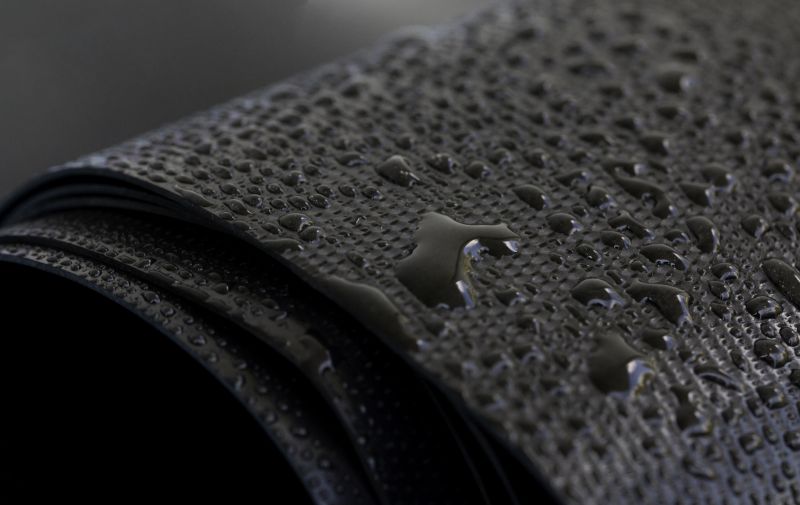 Waterproofing products are essential solutions for protecting structures, foundations, roofs, and various surfaces from water intrusion. Proper waterproofing can help prevent damage caused by moisture, leaks, and water infiltration, which may compromise structural integrity and lead to costly repairs. In Frankfort, KY, where seasonal weather fluctuations include periods of heavy rain and snow, selecting appropriate waterproofing materials is vital for maintaining the durability and longevity of buildings.
Top Overall Option
High-Performance Waterproofing Membrane
A versatile waterproofing membrane designed for multiple surfaces, offering durable and flexible protection against water infiltration. It is suitable for foundations, roofs, and below-grade applications, providing a reliable barrier that adapts to structural movements while maintaining its integrity over time.
Types of Products For Waterproofings
Liquid Waterproofing Coatings
These coatings are applied as liquids and cure to form seamless, waterproof layers on roofs, decks, and walls.
Bituminous Membranes
Self-adhesive or torch-applied membranes often used for roofing and below-grade waterproofing, providing durable and weather-resistant barriers.
Polyurethane Sealants
Flexible sealants ideal for sealing joints, cracks, and seams in various surfaces to prevent water penetration.
Cementitious Waterproofing
Waterproofing coatings made from cement-based materials, suitable for basements and retaining walls.
Waterproofing Tapes
Adhesive tapes designed for quick sealing of cracks and joints, often used in conjunction with other waterproofing systems.
Spray-On Waterproofing
Spray-applied membranes that create a seamless waterproof layer, useful for irregular surfaces and complex geometries.
Liquid Rubber Coatings
Elastomeric coatings that provide flexible, waterproof protection for roofs, decks, and other surfaces.
Sheet Membranes
Pre-fabricated sheets made from rubber, PVC, or other materials, used for foundation and roof waterproofing.
Crystalline Waterproofing
Chemical treatments that penetrate concrete to form waterproof crystals within the material's pores.
Hydrophobic Sealants
Sealants that repel water, often used for sealing porous surfaces like stone and brick.
Epoxy Waterproof Coatings
High-strength coatings suitable for concrete surfaces exposed to water or moisture.
Pond Liners
Flexible liners used in pond construction and water features to prevent water seepage.
Waterproofing Paints
Specialized paints that provide a waterproof layer on walls, ceilings, and other surfaces.
Flexible Waterproofing Membranes
Highly adaptable membranes that accommodate structural movements, ideal for complex surfaces.
Under-Slab Waterproofing
Systems designed to protect foundations and basements from water ingress from below ground.
Popular Choices
Widely used for their ease of application and seamless coverage on various surfaces.
Commonly selected for roofing and foundation waterproofing due to their durability and weather resistance.
Popular for sealing joints and cracks in structural elements to prevent water intrusion.
Favored for complex surfaces and irregular geometries, providing a seamless protective layer.
Trusted for foundational and roofing applications where durable, pre-fabricated barriers are needed.
Often chosen for below-grade structures like basements and retaining walls due to ease of application.
Popular for their flexibility and longevity, especially on roofs and decks.
Frequently used for porous surfaces such as stone and brick to repel water.
Commonly applied on walls and ceilings to provide an extra layer of water resistance.
Selected for their strong adhesion and resistance in water-exposed environments.
Preferred for penetrating concrete structures to enhance water resistance from within.
Useful for quick repairs and sealing small cracks or joints effectively.
There are numerous types of waterproofing products available, each suited for different applications and surfaces. These include liquid membranes, sealants, coatings, membranes, and waterproofing tapes. The choice of product often depends on the specific area to be protected, environmental conditions, and the nature of the surface. For instance, basement waterproofing might require heavy-duty membranes, while roof sealing could utilize liquid coatings or sealants.
Applying the right waterproofing solution involves careful consideration of surface preparation, application methods, and compatibility with existing materials. Proper installation ensures maximum effectiveness and long-term performance. Regular maintenance and inspections can also help identify potential issues early, allowing for timely repairs or reapplications. Whether for new construction or renovation projects, selecting the appropriate waterproofing products is a critical step towards safeguarding properties against water damage.
In Frankfort, KY, local building codes and climate considerations should influence waterproofing choices. Consulting with professionals or suppliers familiar with regional conditions can help in selecting products that perform reliably over time. Investing in quality waterproofing materials and correct application techniques can ultimately contribute to the structural health and value of properties in this area.
Key Buying Considerations
- Identify the specific surface and environment where waterproofing is needed.
- Consider the longevity and durability of the product in your climate conditions.
- Check compatibility with existing materials and surfaces.
- Evaluate ease of application and required surface preparation.
- Determine whether a liquid, membrane, or sealant best suits your project.
- Assess the flexibility of the product to accommodate structural movements.
- Review the product's resistance to UV rays, chemicals, and weathering.
- Understand the drying or curing time for proper planning of application.
- Consider whether the product is suitable for interior or exterior use.
- Verify if the waterproofing solution is compatible with other building materials.
- Look into the product's coverage area to estimate quantities needed.
- Check for any additional safety or handling precautions.
- Review warranty or manufacturer's recommendations for maintenance.
- Consult local building codes and regulations for compliance.
- Seek advice from professionals or suppliers familiar with regional conditions.